History
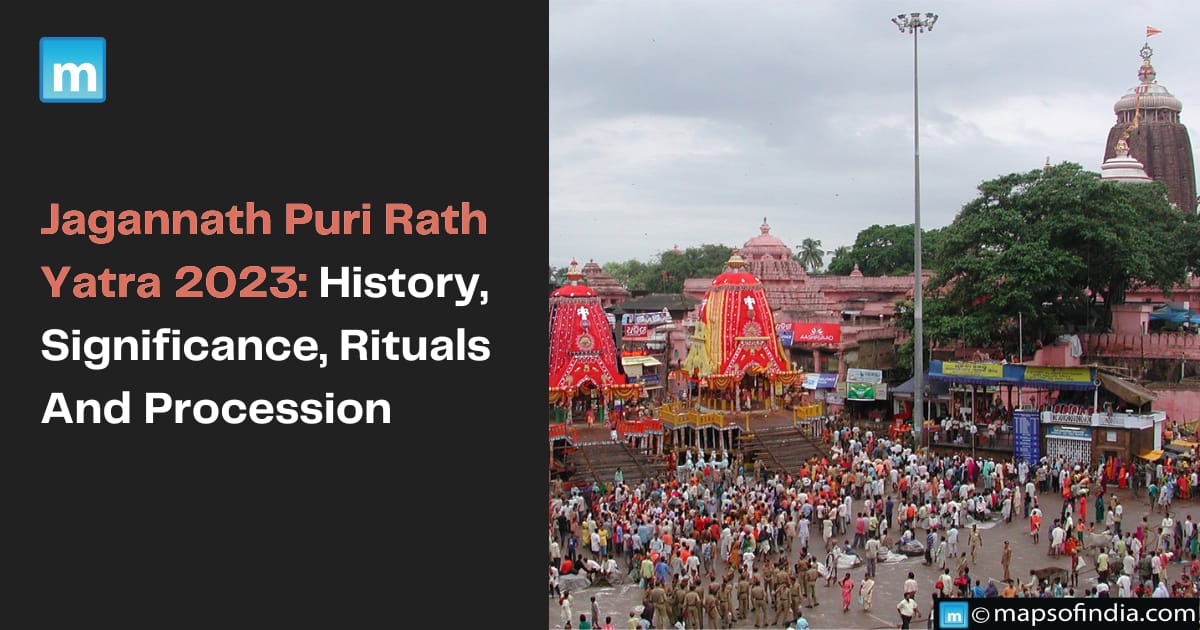
The Jagannath Puri Rath Yatra has a history of more than 2,000 years. The first Rath Yatra is thought to have taken place in the third century BCE, during the reign of Emperor Ashoka. However, the event rose to prominence and became more well-known throughout the 12th century thanks to the support of the Eastern Ganga dynasty King Anantavarman Chodaganga Deva. Legend has it that Lord Jagannath, together with his siblings Lord Balabhadra and Devi Subhadra, wished to travel to the Gundicha Temple, which is about three kilometres from the main Jagannath Temple, to see where they were born. This yearly pilgrimage, which represents the goddesses' love and connection with their followers, was greatly anticipated by worshippers.Significance
An exceptional occasion that combines history, spirituality, and cultural heritage is the Jagannath Puri Rath Yatra. Millions of followers eagerly anticipate the opportunity to participate in this big event, which is a testament to their unwavering faith and dedication.- Devotion and Spirituality: The Rath Yatra manifests profound devotion and spirituality. Devotees are said to receive enormous blessings and become closer to the almighty by participating in the parade and pulling the chariots. The celebration represents the spiritual quest for self-realization and reunification with the Supreme.
- Unity and Equality: The Rath Yatra is a socially inclusive festival that promotes equality and unity. Millions gather to view and participate in this spectacular march, regardless of caste, creed, or gender. It emphasises that everyone is equal in the sight of the divine and encourages harmony and equality among all followers.
- Devotional Service: The Rath Yatra is a prime example of devotional service. Devotees see it as an honour and a privilege to assist in drawing the chariots. Even a single touch or glance of the chariot is said to provide rewards and spiritual elevation.
- Cultural legacy: The festival highlights India's and Odisha's rich cultural legacy. The elaborate chariot carvings, the lavish costumes worn by the gods, the traditional music, and the colourful processions all help to preserve and promote the region's cultural heritage.