 Jaswant Thada[/caption]
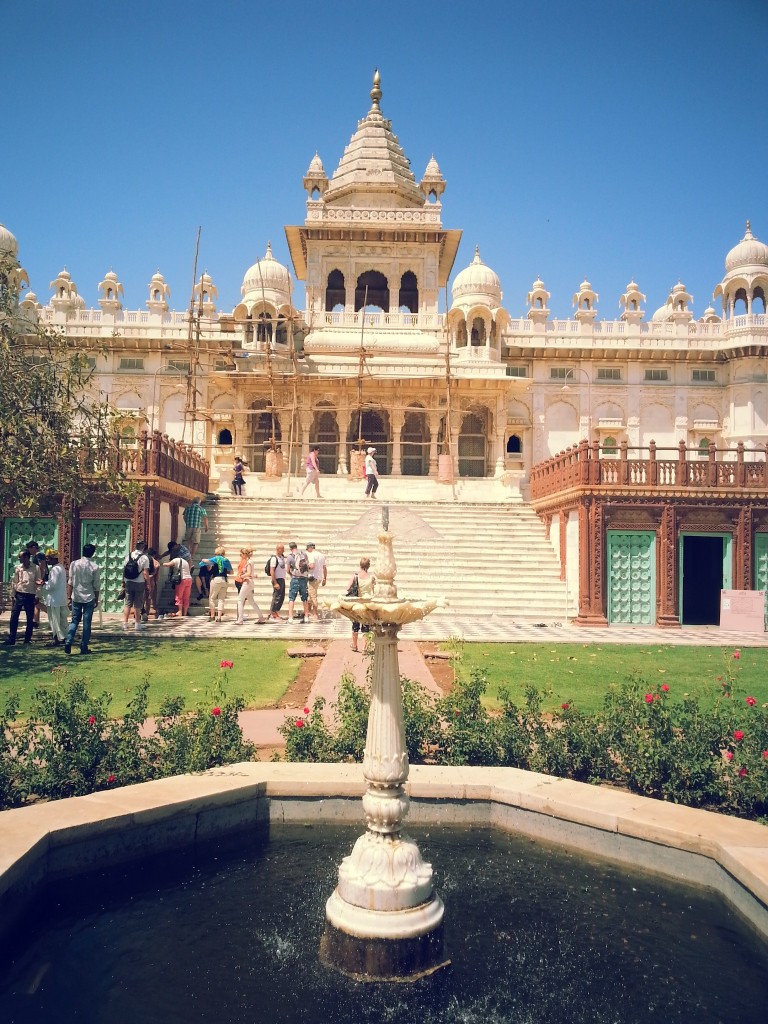
The thin marble sheets have been so that when the sun's rays fall on the stone, it appears to shine and glow. The marble ‘jali’ work done here is really awe-inspiring. The last rites of the rulers of Jodhpur were formerly performed at Mandore, 9 km north of Jodhpur, which was the old capital of Marwar; but after the completion of the Jaswant Thada in AD 1906, they have been performed here.
[caption id="attachment_36305" align="alignleft" width="665"]
Jaswant Thada[/caption]
The thin marble sheets have been so that when the sun's rays fall on the stone, it appears to shine and glow. The marble ‘jali’ work done here is really awe-inspiring. The last rites of the rulers of Jodhpur were formerly performed at Mandore, 9 km north of Jodhpur, which was the old capital of Marwar; but after the completion of the Jaswant Thada in AD 1906, they have been performed here.
[caption id="attachment_36305" align="alignleft" width="665"]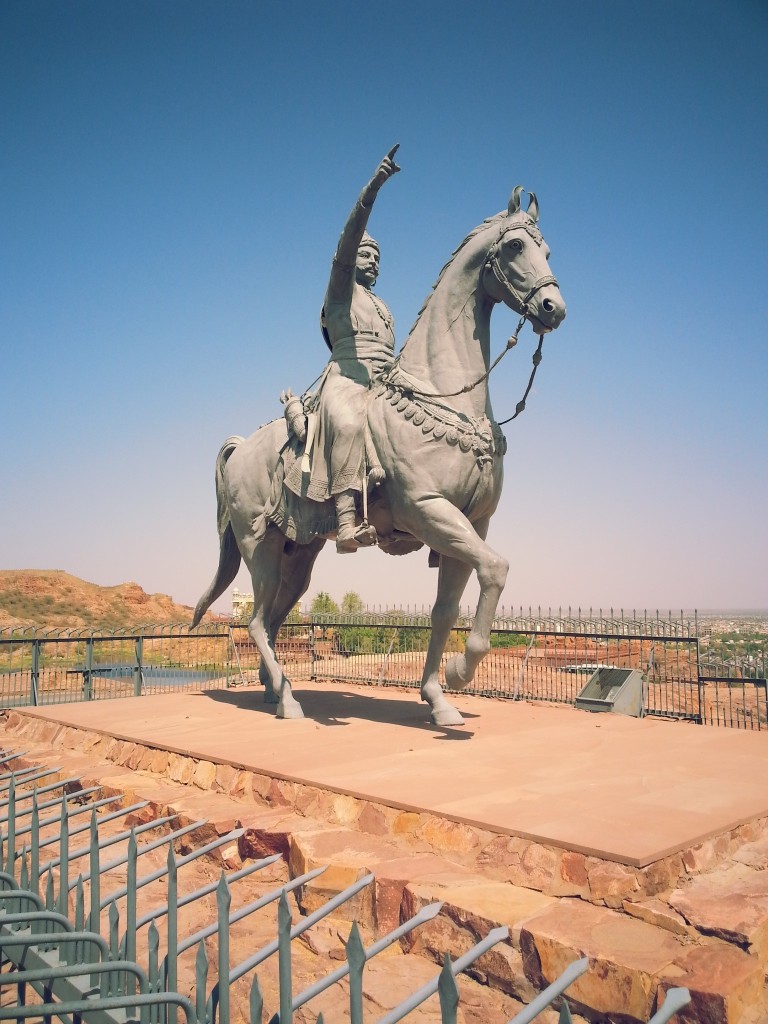 Jaswant Singh ji Statue[/caption]
This monument is more of a temple where deceased rulers are worshipped, as worshipping of ancestors is common to the Rajput clans. Entry fee to the mausoleum is Rs. 15, which goes to the Mehrangarh Museum Trust for the care and maintenance of this monument. To the west of this complex is a water body known as Dev-Kund, where ritual bathing still takes place by the royal family after the cremation of any ruler. To the east are the cenotaphs of various Rajput rulers like Maharaja Umaid Singhji, Maharaja Hanwant Singhji, etc.
[caption id="attachment_20620" align="alignleft" width="665"]
Jaswant Singh ji Statue[/caption]
This monument is more of a temple where deceased rulers are worshipped, as worshipping of ancestors is common to the Rajput clans. Entry fee to the mausoleum is Rs. 15, which goes to the Mehrangarh Museum Trust for the care and maintenance of this monument. To the west of this complex is a water body known as Dev-Kund, where ritual bathing still takes place by the royal family after the cremation of any ruler. To the east are the cenotaphs of various Rajput rulers like Maharaja Umaid Singhji, Maharaja Hanwant Singhji, etc.
[caption id="attachment_20620" align="alignleft" width="665"]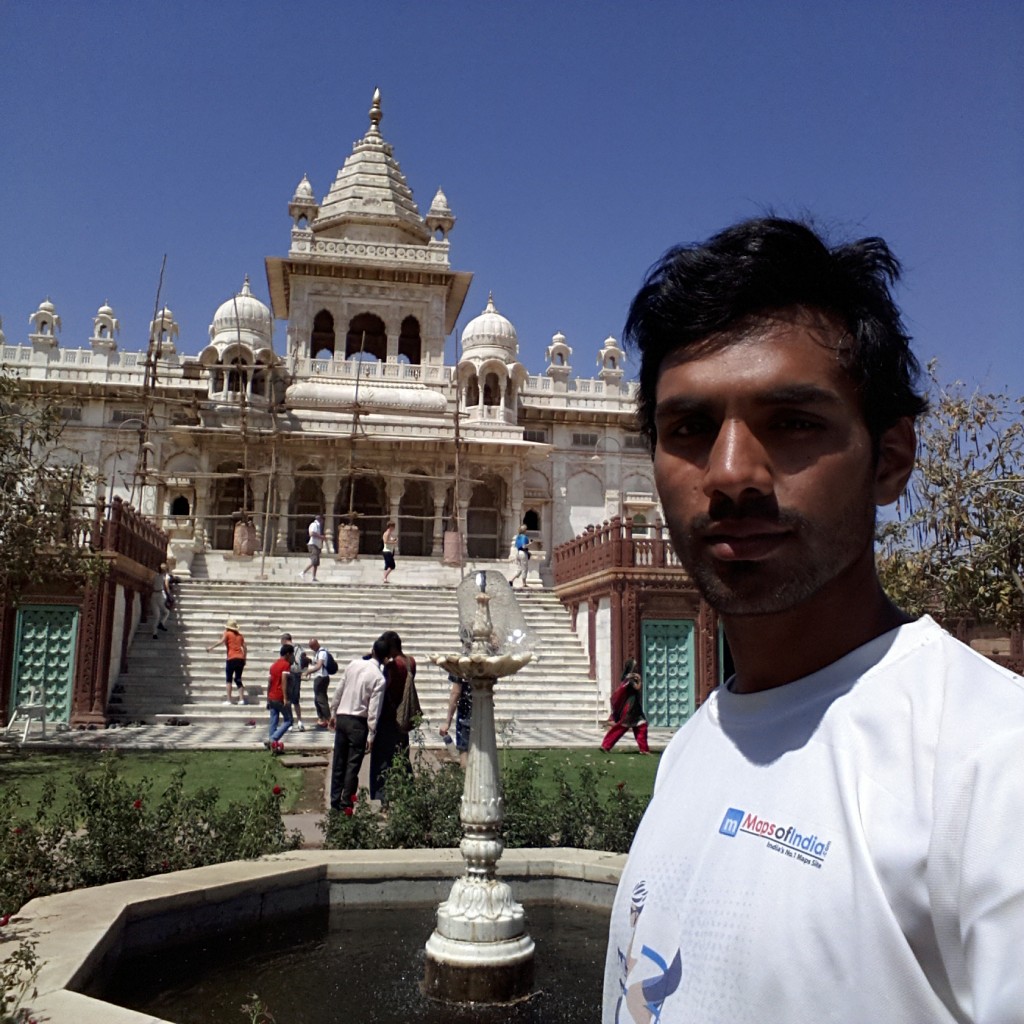 At Jaswant Thada Musoleum[/caption]
The Jaswant Thada is located near to the Mehrangarh Fort, and about 100 metres before the entry gate to the mausoleum is a statue of Maharaja Jaswant Singhji sitting on a horse.
[caption id="attachment_36306" align="alignleft" width="665"]
At Jaswant Thada Musoleum[/caption]
The Jaswant Thada is located near to the Mehrangarh Fort, and about 100 metres before the entry gate to the mausoleum is a statue of Maharaja Jaswant Singhji sitting on a horse.
[caption id="attachment_36306" align="alignleft" width="665"]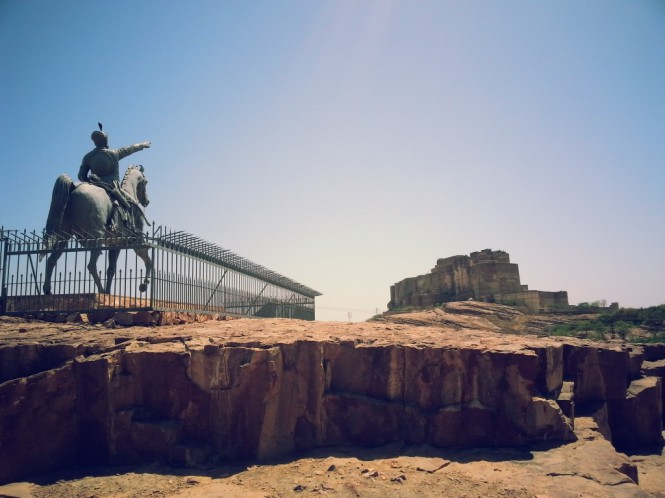 Jaswant Singh ji Statue[/caption]
To the east of the monument is a memorial of the peacock that flew into Maharaja Jaswant Singhji’s pyre and perished. It is one of the major tourist destinations in Jodhpur, visited by millions of people every year. The beautiful carvings done in the making of this mausoleum are really amazing and clearly show us the talent that Indian craftsmen had.
Jaswant Singh ji Statue[/caption]
To the east of the monument is a memorial of the peacock that flew into Maharaja Jaswant Singhji’s pyre and perished. It is one of the major tourist destinations in Jodhpur, visited by millions of people every year. The beautiful carvings done in the making of this mausoleum are really amazing and clearly show us the talent that Indian craftsmen had.