Palm Leaves And Wooden Blocks
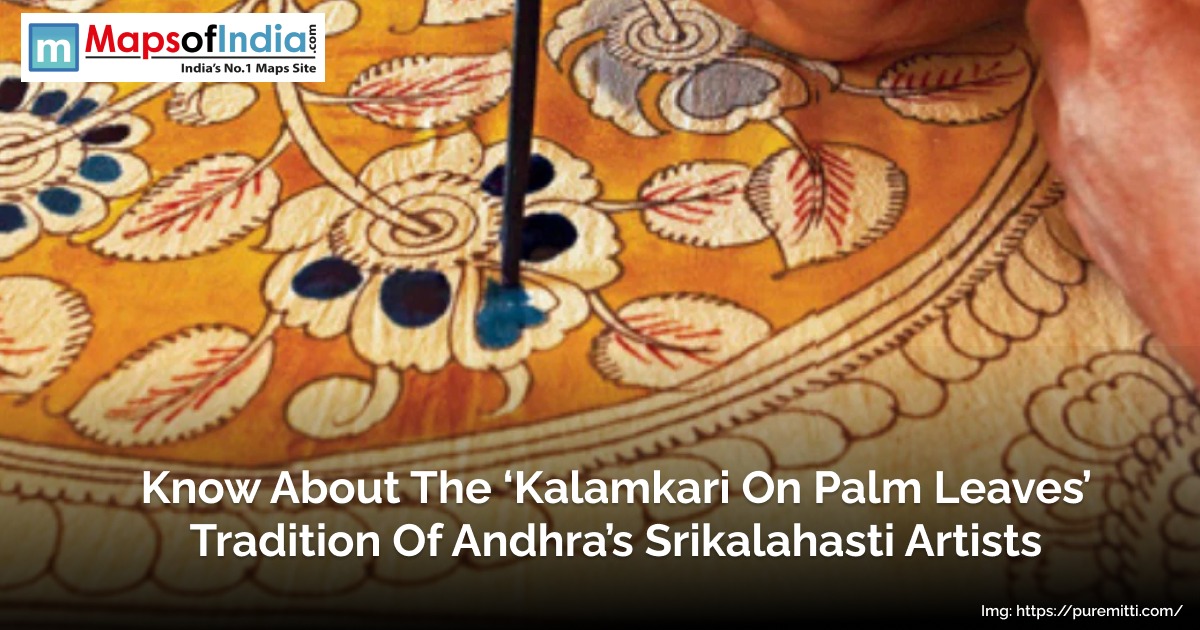
Earlier, people used palm leaves to write important texts because paper was not introduced/ invented. Palm leaves were carved with letters, and the ink was applied to make them readable, mainly for communicating important news and religious means. Meanwhile, wooden blocks were used for printing during the Tang Dynasty in China. Texts were carved onto these blocks, inked, and pressed onto paper to make copies, which made sharing knowledge faster and easier. Buddhist scriptures and a book, DIAMOND SUTRA, were printed by China through wooden block printing.-
The Gutenberg Printing Press
-
The Rise Of Serifs And Sans Serifs
Digital Typography
In the 20th century, they brought the biggest change to printing. Computers and digital technology enhanced typography. Designers have powerful tools to create and manipulate fonts digitally (change as per their needs). Software like Adobe InDesign and Illustrator allow the changes and adjustments needed in font styles and sizes, opening up many possibilities in design. Digital tools have enhanced and increased the use of typography:- Platforms such as Adobe Fonts and Google Fonts provide extensive collections of fonts that designers, students, teachers, and anyone editing or writing content can easily access and use in their projects.
- Applications like Adobe Illustrator have tools for designing and refining fonts according to our needs, giving designers the opportunity to change typefaces for different types of work.
- These innovative fonts allow for changes or adjustments in weight, width, and other elements used in a single file, enhancing design flexibility and appreciating designers' work.
- Web fonts and CSS ensure typography in digital platforms that enhances readability and visual appeal and grasps readers' attention.
- Digital tools have made typography more accessible and versatile, helping designers innovate and collaborate on new fonts and styles worldwide.