Kolhapuri Chappals: Origins and Development
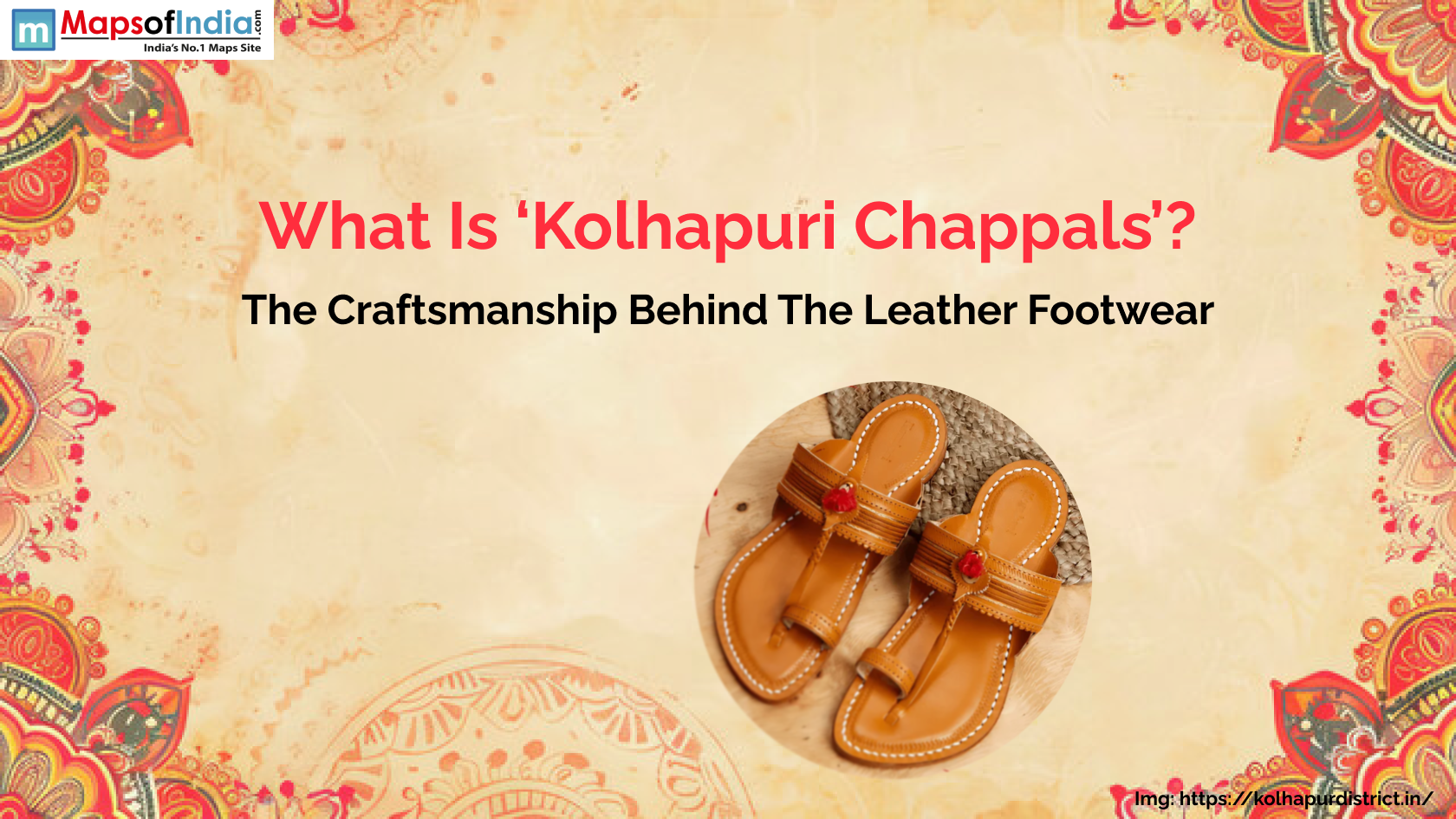
Kolhapri chappals have roots firmly in the Deccan area since at least the 13th century. Originally designed by the Saudagar family and later polished for daily use by royal households, these sandals became rather well-known in Maharashtra and Karnataka. Under the patronage of leaders like Shahu I of Kolhapur, who set up tanning facilities and pushed local gardeners to grow the trade, the craft got even more impetus. While keeping their characteristic open-toed T-strap design, the chappals changed from heavy, utilitarian footwear made from thick buffalo hide to lighter, more comfortable versions. Appreciated both in India and outside, Kolhapiri chappals today are a sign of custom and a stylish accessory.Geographical Indication (GI) Tag: Consequences
Recognising their distinctive regional identity and workmanship, Kolhapuri chappals were awarded a Geographical Indication (GI) tag in 2019. This tag limits the term "Kolhapri" to chappals produced in particular Maharashtra (Kolhapur, Sangli, Satara, Solapur) and Karnataka (Dharwad, Belgaum, Bagalkot, Bijapur). The GI tag guarantees that only real goods reach consumers, preserving the livelihoods of thousands of families engaged in the trade and protecting the authenticity of the craft by opening new markets for artisans.Resources and Get Ready: The Basis of Excellence
The materials and careful preparation technique of real Kolhapiri chappals define them. Made from 100% natural leather, usually buffalo, cow, or sometimes goat hide, these chappals have long been fashioned. The footwear is hypoallergenic and ecologically benign since the leather is tanned using vegetable dyes derived from natural sources, including harida seeds and babul bark. The preparation starts with shaving and polishing the rough leather to achieve the intended texture. The sole uses thicker sections of the hide; the footbed gets the best bits of it. The leather is then beaten and stamped to improve its durability and flexibility.The Making Process: A Labour of Love
Depending on the degree of the design, making a pair of Kolhapiri chappals can take anywhere from several days to six weeks and requires a lot of work. While women concentrate on stitching, designing, and embellishing the upper belts, the production is quite cooperative, with tasks divided among talented artisans-men usually handle cutting, seasoning, and fitting the leather. Important stages in the making process consist in:- Following age-old patterns handed down through generations, the tanned leather is cut into exact forms for the sole and upper sections.
- Strong thread is hand sewed the pieces together. Authentic Kolhapuri chappals are never machine-stitched or glued; the hand-stitching guarantees durability and accentuates every pair's individual nature.
- Natural vegetable dyes, typically tan or deep brown tones, colour and finish the chappals. The dye is applied in several stages and then polished to get the desired natural finish or polish.
- Attached are the straps (side patti) and toe loops; extra plaited straps or embellishments, including golden cord, pearls, or sequins, may be added for ornamentation. Each pair is dried under diffused sunlight to ensure lifetime and set the colours.
- Ready for wear, the chappals are polished, punched, and clipped. No two pairs are exactly like each other since the handcrafted process gives every creation a distinct personality.