Technology and Working of Power Plant
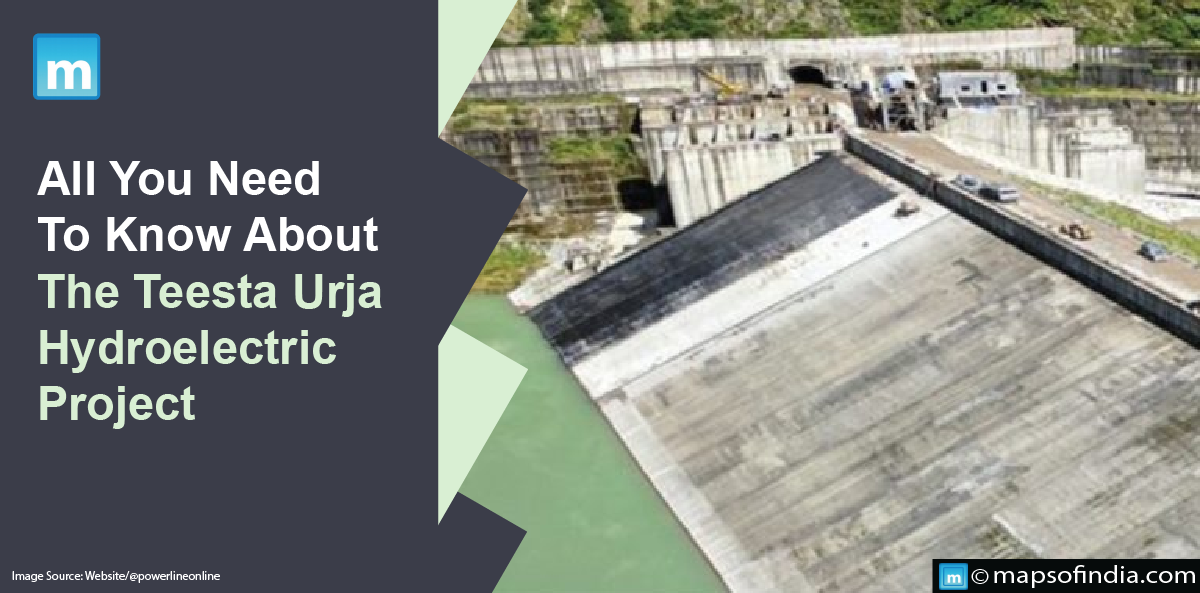
The Teesta Urja hydroelectric power plant is a run-of-the-river hydroelectric generating project. It signifies that the project does not use a reservoir to store water. Instead, the project harnesses the Teesta River's natural flow to generate electricity and comprises two dams and two powerhouses. The first dam, the Chungthang Dam, is a 130 m (430 ft) high concrete gravity dam built at Chungthang in Sikkim. The Dikchu Dam, located in Sikkim, is a 45-meter (148-foot) high concrete gravity dam. The aggregate installed capacity of the two power plants is 1200 MW. The first power plant, the Chungthang Power Plant, has 600 MW. The Dikchu Powerhouse, the second powerhouse, has a capacity of 600 MW. The Teesta Urja project employs two types of turbines: Francis turbines and Pelton turbines. The Chungthang Powerhouse employs Francis turbines, whereas the Dikchu Powerhouse employs Pelton turbines. Francis turbines are appropriate for low-head hydroelectric generating projects like the Teesta Urja plant. Pelton turbines are appropriate for high-head hydroelectric generating projects.Benefits of the Project
-
Clean energy generation
-
Reduced oil imports
-
Economic development
Negative Impact of the Project
-
Environmental concerns
-
Social unrest