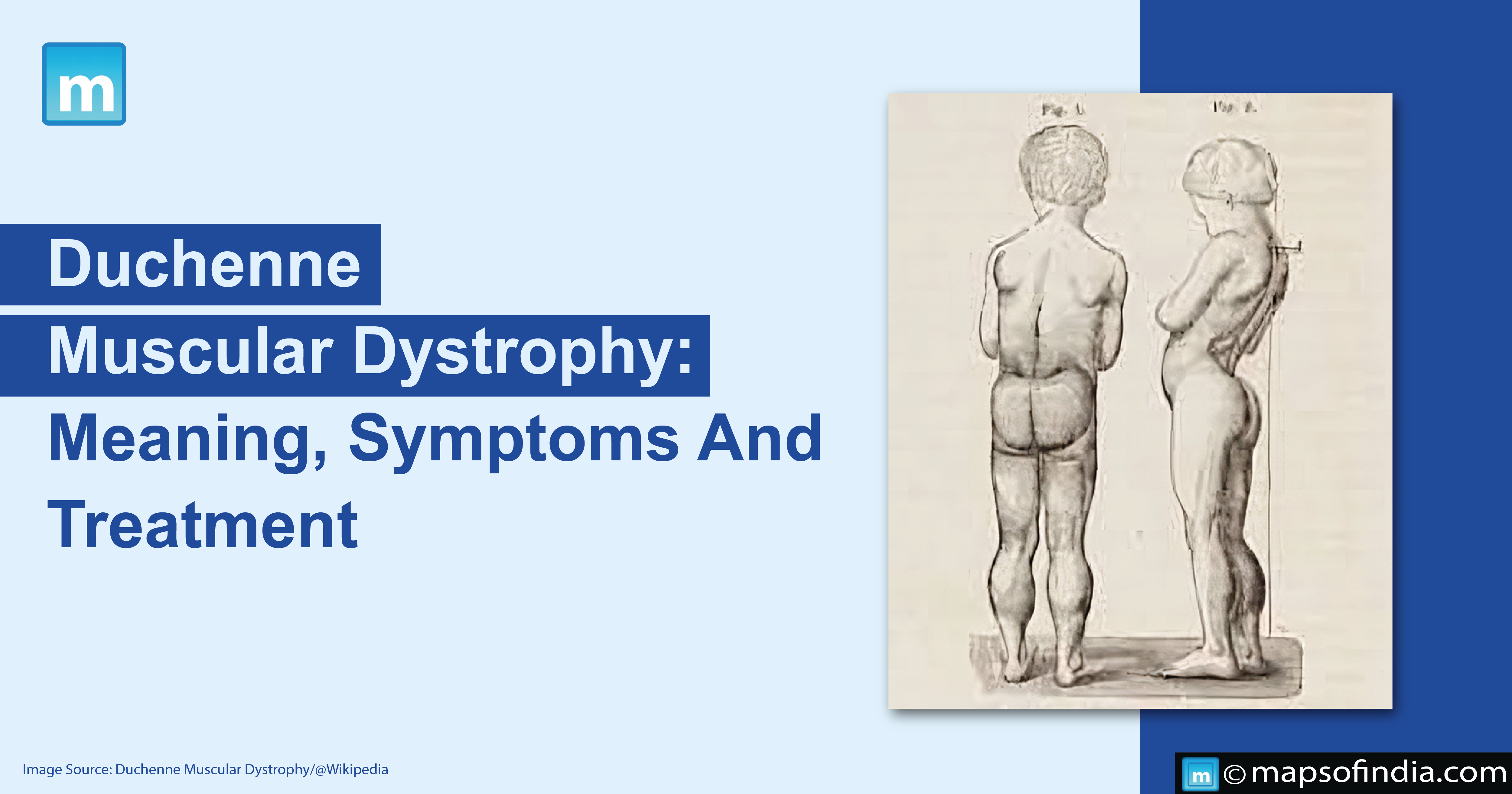
Signs and symptoms of DMD
- Progressive muscle weakness is caused due to muscle fibre death, disarray, and replacement with connective tissue or fat.
- The voluntary muscles are affected. First, this includes pelvic, hips, calves and thigh muscles.
- The effect eventually progresses to the neck and shoulders, followed by respiratory shoulders, arms, and other areas.
- Fatigue is a common symptom.
- Awkward walking, stepping, or running occurs due to general motor skill difficulties.
- Frequent falls are caused due to difficulty in walking.
- There is occasional development of arrhythmia (irregular heartbeat) or congestive heart failure.
- In the late stages of the disease, swallowing and respiratory impairment can occur, resulting in pneumonia.
- A sign of DMD is trouble getting up from sitting and lying, as manifested by a positive Gower’s sign.
- Pseudohypertrophy of the muscles of the calves, buttocks, tongue, and shoulders is another symptom of DMD.
- Muscle contractures of the Achilles tendon and hamstrings and muscle fibre deformities can occur.
- Skeletal deformities and non-musculoskeletal manifestations of DMD can occur.
Treatment of DMD
Until now, no treatment for DMD has been found, and an ongoing medical need got recognized. Gene therapy is one option that has shown some success in the field. Treatment is done to maximize the quality of life. Different measures that can be taken are:- For short-term muscle strength improvement, corticosteroids such as deflazacort and prednisolone can be used.
- Inactivity can worsen muscle disease, for which mild, non-jarring physical activities are encouraged.
- Physical therapy helps maintain muscle strength, function, and flexibility.
- Orthopaedic appliances may improve the ability for self-care and mobility.
- A pacemaker may be required for cardiac problems.
- Physical therapy aims to minimize the development of deformity by developing a program of exercises and stretches where appropriate.