Historical Context
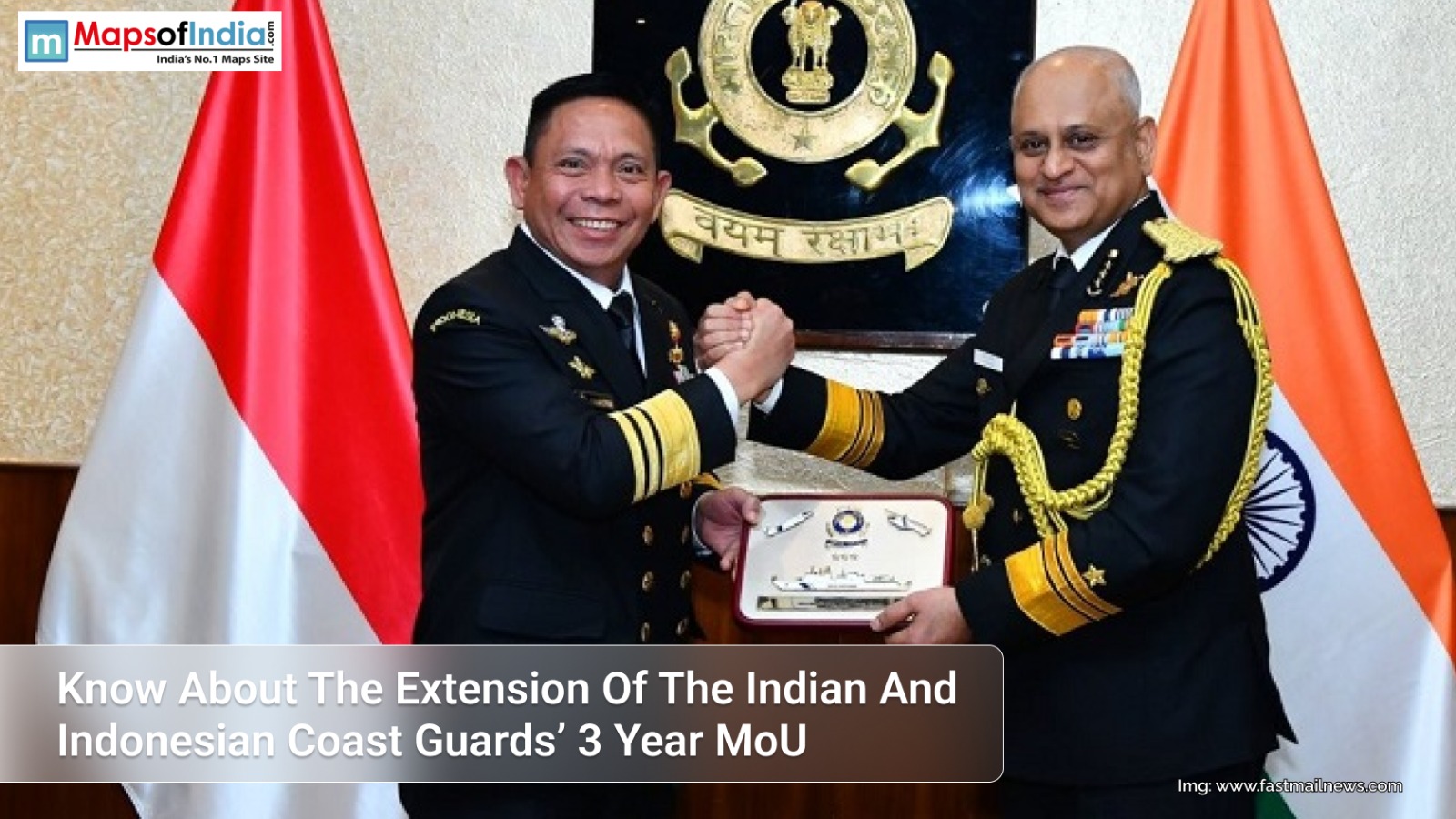
India and Indonesia have had shared maritime historical traditions spanning centuries together when trade prospered via the Indian Ocean somewhere as far as nautical (marine) cultural exchanges. Shared heritage, connectivity and common interests in secure sea lanes have gauged bilateral ties. However, the pointers of the bilateral relationship have recently been from cultural and economic connectivity to a more strategic relationship, especially in maritime security. India and Indonesia have prioritised strengthening their naval and coast guard cooperation, acknowledging the threats from piracy, illegal fishing, smuggling and human trafficking. Given this mutual cognisance, the MoU was first signed between the ICG and BAKAMLA in 2020 to enhance the mutually structured cooperation on maritime safety and security. Indeed, the need for maritime cooperation has never been more pressing; both countries face nontraditional maritime challenges, including IUU fishing, environmental degradation, and the threat of maritime terrorism. Amid growing concerns over critical sea lane security, India and Indonesia have held joint exercises, information sharing and coordinated patrols to augment their response mechanisms. Renewing that MoU in 2024 will reaffirm their commitment to these goals and reflect past successes as a strong foundation to build on a platform for improvement. They find themselves along particular shipping routes of geostrategic significance, which makes them all the more actual stakeholders in a stable and rules-based maritime order.Key Objectives of the Renewed MoU
The renewed MoUs intend to leverage the achievements accomplished under the last agreement with a focus on the areas below:- Maritime Security: Consolidating Coordination to Address Piracy, Smuggling, Human Trafficking, and other illicit acts in the common maritime domain.
- Joint Search and Rescue Operations: Two nations can establish mechanisms to guarantee immediate responses to maritime emergencies, saving the lives of sailors and coastal populations.
- An Eye towards Environmental Protection: A joint response to marine pollution incidents, demonstrating the shared commitment to a healthy marine ecosystem.
- Capability Building: This will allow us to share best practices, training and expertise to enhance the capacities of the two coastguards.
Renewal of the MoU: A Strategic Imperative
The renewal of this MoU is of significant strategic importance for both countries:- Strengthening Geopolitical Equilibrium: The two nations can help solidify synergy over a rules-based maritime order that strengthens maritime stability in the region within growing geopolitical tensions in the Indo-Pacific.
- Economic Interests: Both nations depend heavily on maritime trade routes, so secure and safe sea lanes are crucial to both nations’ economic prosperity.
- Environmental Stewardship: Joint marine pollution response efforts reflect a shared commitment to sustainable development and environmental protection.
Recent Collaborations
Several significant joint initiatives have been launched ahead of the MoU renewal:- Deployment of ICG Sujay: In September 2024, the Sujay of Coast Guard Offshore Patrol Vessel visited Bali, Indonesia, as part of its deployment to East Asia. The visit included professional engagements with BAKAMLA covering oil pollution response, maritime search and rescue, and law enforcement. Joint activities included yoga sessions, cross-deck training and an environmental protection walkathon, all of which underscored the diverse scope of the cooperation.
- Coordinated Patrols: The 8th India-Indonesia Coordinated Patrol (IND-INDO CORPAT) was undertaken in the Andaman Sea and Straits of Malacca from June 13 to 24, 2022. These patrols have been essential in enhancing both navies' shared understanding and interoperability to address common threats, such as illegal fishing, drug trafficking, and maritime terrorism.
Increasing Defence and Maritime Cooperation
In addition to coast guard cooperation, India and Indonesia have also been working closely in the defence and maritime domains:- Security Cooperation: The 7th meeting of the India-Indonesia Joint Defence Cooperation Committee, held in May 2024, decided to enhance cooperation in the Defence industries and examined defence production collaboration in maritime security and multilateral engagements. That includes possible joint ventures in defence manufacturing and sharing know-how.
- High-Level Visits: Indonesian Navy Chief Admiral Muhammad Ali's visit to India in January 2025 cemented naval ties between the two nations. Talks during the visit centred around operational cooperation, joint exercises, and how they could tackle common maritime challenges.
Future Prospects and Challenges
The renewed MoU lays a strong foundation for ongoing cooperation, but success will be contingent on several factors:- International Collaboration on Maritime Security: Further enhancing synergy between countries, such as joint naval exercises, intelligence sharing, and capacity building, will be essential in countering the threats.
- Financial Precedence: countries must have enough resources and appropriate funding to establish collaborative projects, training programs, and technology upgrades.
- Regional Dynamics: The effectiveness of this bilateral cooperation will also heavily depend upon the broader geopolitical context of the Indo-Pacific, which is already being influenced by the actions of other regional powers.