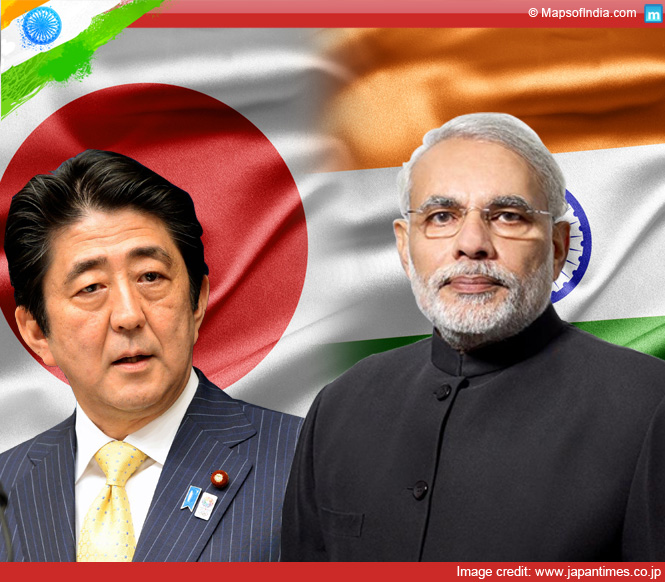
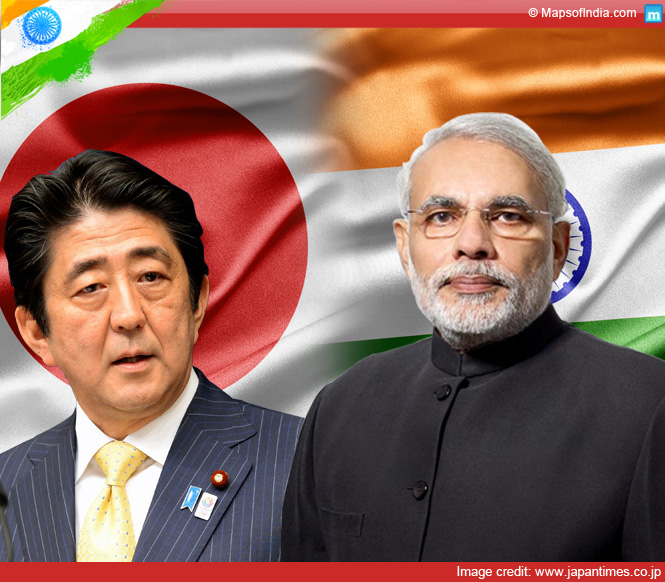
 No other country followed Modi’s progress to the Prime Minister’s post as much as the Japanese and with good reason. Japan has had a good working experience with Narendra Modi when he was the Chief Minister of Gujarat. They know his thinking and are comfortable with his style of functioning. The Japanese are betting big on Modi to further strengthen economic, diplomatic and now military ties.
This comes at a time when Japan has hardened its stand with China though they continue to remain invested there. Japan has a long running dispute with China over the Senkaku Islands, which the Chinese believe has been traditionally theirs (the Chinese refer to them as Diaoyu).
With both countries hardening their respective positions, Japan has been seen to take a more aggressive stand on the diplomatic front in winning allies, while China is resorting to the economic investment route to win support. India finds itself in a sweet spot where both the Japanese and Chinese are very keen to improve ties with India, along with wanting a bigger share of India’s growth story. Despite having a long and friendly relationship with India, Japan has lost ground to China on both diplomatic and strategic space and is now keen to change that to a more proactive engagement with India.
India’s Prime Minister understands this more than anyone else and is known to drive a hard bargain. The Japanese President Shinzo Abe, has an advantage over China as he already shares a good personal equation with Narendra Modi and follows him closely on Twitter. The optimism in Japan can be gauged by the fact that Japan was keen to be the first nation to host Narendra Modi on his taking over as India’s prime minister but Modi chose to drive his message of regional priority by making Bhutan his first nation of visit. However, Japan is on his priority list of nations that he wishes to engage with for fulfilling his dream to see India emerge as a developed economy. Japan has the money and the technology that India so desperately needs.
It was Suzuki’s investment in India in 1982 that really caught the attention of the Japanese industry and the success of their investment in India has opened up the way for more Japanese investment to flow in. According to Japan External Trade Organization (JETRO) in 2008, there were 500 Japanese companies operating in India, that number has risen to 3,000 by 2013 and if Narendra Modi caps a successful visit to Japan the number of Japanese establishments in India is likely to increase dramatically.
Between April 2008 and April 2014, India received $16.26 billion by way of foreign direct investment from Japan. The FDI inflow from Japan is likely to increase significantly if India can improve its infrastructure, taxation laws and policies relating to land acquisition and labour.
No other country followed Modi’s progress to the Prime Minister’s post as much as the Japanese and with good reason. Japan has had a good working experience with Narendra Modi when he was the Chief Minister of Gujarat. They know his thinking and are comfortable with his style of functioning. The Japanese are betting big on Modi to further strengthen economic, diplomatic and now military ties.
This comes at a time when Japan has hardened its stand with China though they continue to remain invested there. Japan has a long running dispute with China over the Senkaku Islands, which the Chinese believe has been traditionally theirs (the Chinese refer to them as Diaoyu).
With both countries hardening their respective positions, Japan has been seen to take a more aggressive stand on the diplomatic front in winning allies, while China is resorting to the economic investment route to win support. India finds itself in a sweet spot where both the Japanese and Chinese are very keen to improve ties with India, along with wanting a bigger share of India’s growth story. Despite having a long and friendly relationship with India, Japan has lost ground to China on both diplomatic and strategic space and is now keen to change that to a more proactive engagement with India.
India’s Prime Minister understands this more than anyone else and is known to drive a hard bargain. The Japanese President Shinzo Abe, has an advantage over China as he already shares a good personal equation with Narendra Modi and follows him closely on Twitter. The optimism in Japan can be gauged by the fact that Japan was keen to be the first nation to host Narendra Modi on his taking over as India’s prime minister but Modi chose to drive his message of regional priority by making Bhutan his first nation of visit. However, Japan is on his priority list of nations that he wishes to engage with for fulfilling his dream to see India emerge as a developed economy. Japan has the money and the technology that India so desperately needs.
It was Suzuki’s investment in India in 1982 that really caught the attention of the Japanese industry and the success of their investment in India has opened up the way for more Japanese investment to flow in. According to Japan External Trade Organization (JETRO) in 2008, there were 500 Japanese companies operating in India, that number has risen to 3,000 by 2013 and if Narendra Modi caps a successful visit to Japan the number of Japanese establishments in India is likely to increase dramatically.
Between April 2008 and April 2014, India received $16.26 billion by way of foreign direct investment from Japan. The FDI inflow from Japan is likely to increase significantly if India can improve its infrastructure, taxation laws and policies relating to land acquisition and labour.
No other country followed Modi’s progress to the Prime Minister’s post as much as the Japanese and with good reason. Japan has had a good working experience with Narendra Modi when he was the Chief Minister of Gujarat. They know his thinking and are comfortable with his style of functioning. The Japanese are betting big on Modi to further strengthen economic, diplomatic and now military ties.
This comes at a time when Japan has hardened its stand with China though they continue to remain invested there. Japan has a long running dispute with China over the Senkaku Islands, which the Chinese believe has been traditionally theirs (the Chinese refer to them as Diaoyu).
With both countries hardening their respective positions, Japan has been seen to take a more aggressive stand on the diplomatic front in winning allies, while China is resorting to the economic investment route to win support. India finds itself in a sweet spot where both the Japanese and Chinese are very keen to improve ties with India, along with wanting a bigger share of India’s growth story. Despite having a long and friendly relationship with India, Japan has lost ground to China on both diplomatic and strategic space and is now keen to change that to a more proactive engagement with India.
India’s Prime Minister understands this more than anyone else and is known to drive a hard bargain. The Japanese President Shinzo Abe, has an advantage over China as he already shares a good personal equation with Narendra Modi and follows him closely on Twitter. The optimism in Japan can be gauged by the fact that Japan was keen to be the first nation to host Narendra Modi on his taking over as India’s prime minister but Modi chose to drive his message of regional priority by making Bhutan his first nation of visit. However, Japan is on his priority list of nations that he wishes to engage with for fulfilling his dream to see India emerge as a developed economy. Japan has the money and the technology that India so desperately needs.
It was Suzuki’s investment in India in 1982 that really caught the attention of the Japanese industry and the success of their investment in India has opened up the way for more Japanese investment to flow in. According to Japan External Trade Organization (JETRO) in 2008, there were 500 Japanese companies operating in India, that number has risen to 3,000 by 2013 and if Narendra Modi caps a successful visit to Japan the number of Japanese establishments in India is likely to increase dramatically.
Between April 2008 and April 2014, India received $16.26 billion by way of foreign direct investment from Japan. The FDI inflow from Japan is likely to increase significantly if India can improve its infrastructure, taxation laws and policies relating to land acquisition and labour.
No other country followed Modi’s progress to the Prime Minister’s post as much as the Japanese and with good reason. Japan has had a good working experience with Narendra Modi when he was the Chief Minister of Gujarat. They know his thinking and are comfortable with his style of functioning. The Japanese are betting big on Modi to further strengthen economic, diplomatic and now military ties.
This comes at a time when Japan has hardened its stand with China though they continue to remain invested there. Japan has a long running dispute with China over the Senkaku Islands, which the Chinese believe has been traditionally theirs (the Chinese refer to them as Diaoyu).
With both countries hardening their respective positions, Japan has been seen to take a more aggressive stand on the diplomatic front in winning allies, while China is resorting to the economic investment route to win support. India finds itself in a sweet spot where both the Japanese and Chinese are very keen to improve ties with India, along with wanting a bigger share of India’s growth story. Despite having a long and friendly relationship with India, Japan has lost ground to China on both diplomatic and strategic space and is now keen to change that to a more proactive engagement with India.
India’s Prime Minister understands this more than anyone else and is known to drive a hard bargain. The Japanese President Shinzo Abe, has an advantage over China as he already shares a good personal equation with Narendra Modi and follows him closely on Twitter. The optimism in Japan can be gauged by the fact that Japan was keen to be the first nation to host Narendra Modi on his taking over as India’s prime minister but Modi chose to drive his message of regional priority by making Bhutan his first nation of visit. However, Japan is on his priority list of nations that he wishes to engage with for fulfilling his dream to see India emerge as a developed economy. Japan has the money and the technology that India so desperately needs.
It was Suzuki’s investment in India in 1982 that really caught the attention of the Japanese industry and the success of their investment in India has opened up the way for more Japanese investment to flow in. According to Japan External Trade Organization (JETRO) in 2008, there were 500 Japanese companies operating in India, that number has risen to 3,000 by 2013 and if Narendra Modi caps a successful visit to Japan the number of Japanese establishments in India is likely to increase dramatically.
Between April 2008 and April 2014, India received $16.26 billion by way of foreign direct investment from Japan. The FDI inflow from Japan is likely to increase significantly if India can improve its infrastructure, taxation laws and policies relating to land acquisition and labour.