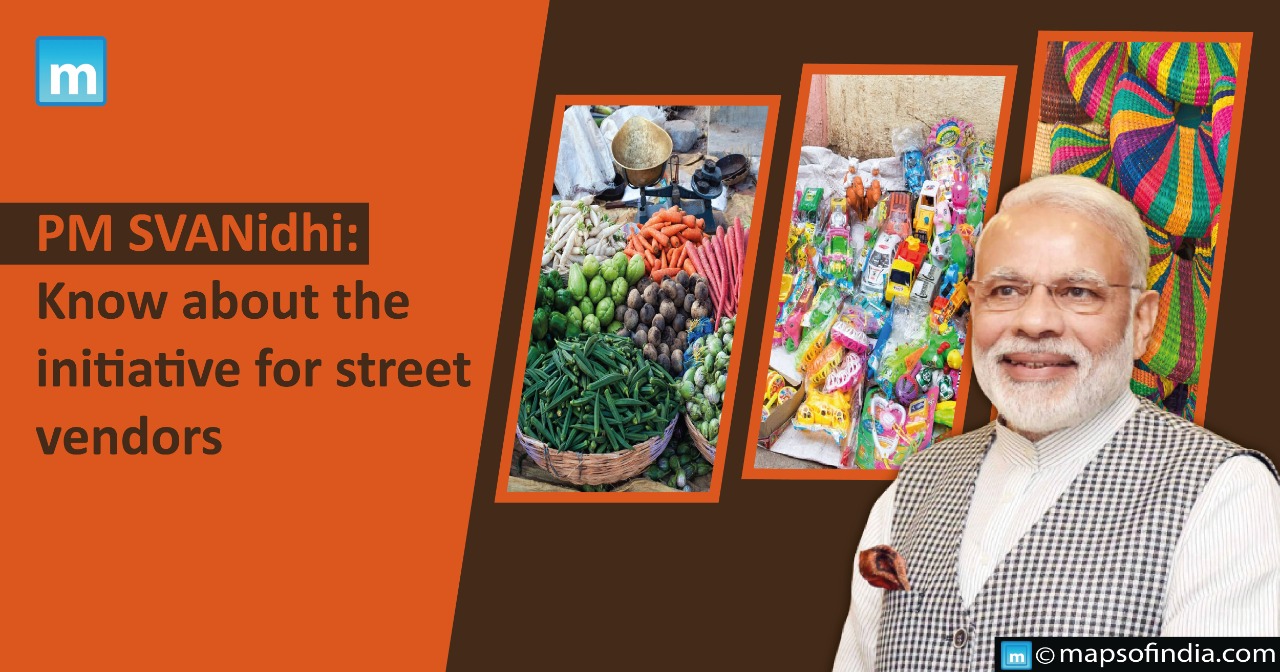
- The sellers can obtain a cash flow loan of up to Rs. 10,000, repayable monthly instalments over a year. The loans would have no collateral.
- Because of their street-level presence and proximity to the urban poor, street vendors, Microfinance Institutions, Non-Banking Financial Companies, and Self Help Groups have been authorised for the first time in a plan for the urban poor.
- There will be no charge for repaying the loan early.
- Early repayment (or resettlement) is the payment of a debt or loan before the due date. Many banks and lenders impose penalties for early loan repayment.
- On timely/early loan repayment, recipients will get a 7% annual interest subsidy via direct benefit transfer applied to their bank accounts every six months.
- Upon timely or early loan repayment, the credit limit can be raised. So, for example, if a street vendor repays the payment on schedule or earlier, they will be entitled to a more significant term loan, such as Rs. 20,000.
- This system encourages street vendors to conduct digital transactions by offering them monthly cash.
- The MoHUA, in partnership with state governments, initiated a quality improvement and financial literacy programme for all stakeholders, as well as Information, Education, and Communication (IEC) initiatives around the country, in June, and lending began in July.
- To ensure the effective implementation of the scheme, urban local authorities played a significant role in allocating funds to local vendors in need.
- To guarantee successful execution and accountability, a digital platform with a web portal/mobile app is being built to govern the scheme with an end-to-end solution.
- This platform will seamlessly link the web portal/mobile app with SIDBI's UdyamiMitra portal for credit risk management practices and MoHUA's PAiSA portal for interest subsidy administration.
- It will aid in the incorporation of vendors into the official financial system.