- Drought Reduction: River linkage will remedy the region's repeated droughts.
- Farmers will benefit from it since it will reduce the risk of farmer suicide and provide them with a secure income by providing sustainable irrigation and decreasing excessive reliance on groundwater.
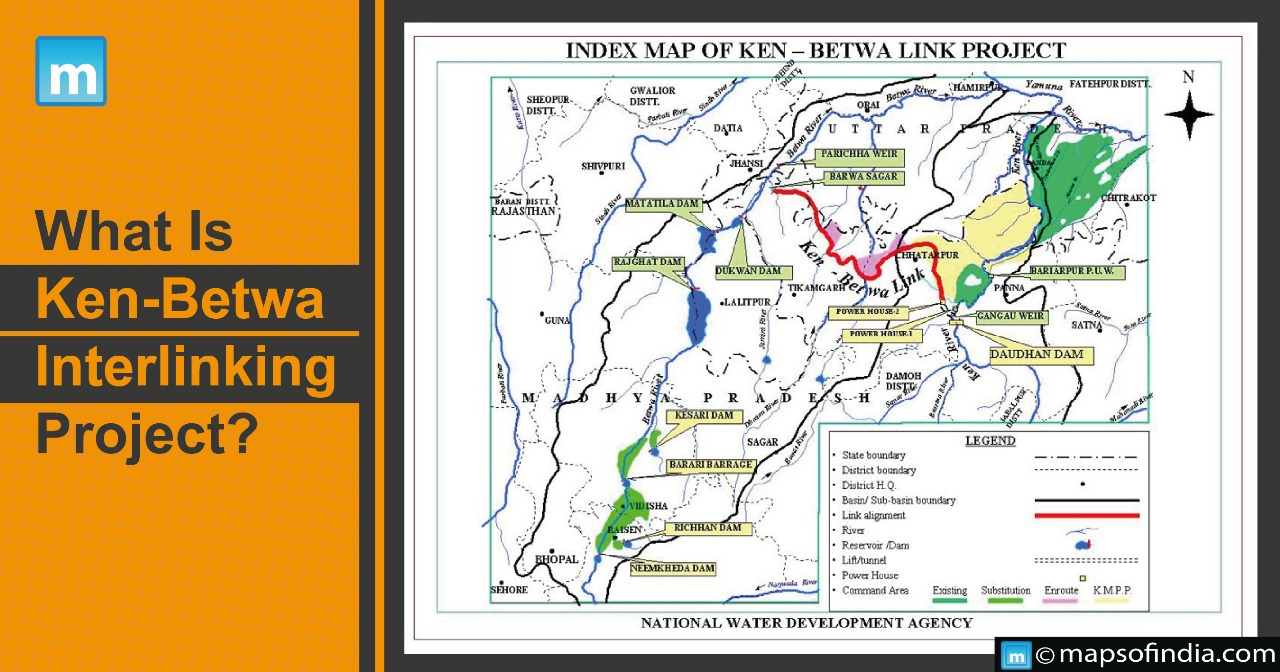
- It would expedite water conservation by building a multifunctional dam, generating 103 MW of electricity, and providing water sources to 62 lakh people.
- Few individuals believe that constructing dams within the water-scarce sections of Panna Tiger Reserve (MP) will restore the reserve's forests, paving the way for Rich Diversity throughout the region.
- Ecological: Because of environmental and animal conservation concerns, such as the project's crossing through critical tiger habitat in the Panna Tiger Reserve, the plan is pending permission from the National Green Tribunal (NGT) and other higher authorities.
- Economical: There is a significant economic cost associated with project execution and management, which has been growing due to project implementation delays.
- Socio-economical: Social costs will be incurred as a consequence of reconstruction and rehabilitation due to displacement induced by the project's implementation.
- The National River Linking Project (NRLP), originally called the National Perspective Plan, envisions the transfer of water from excess water basins where seasonal flooding occurs to water-scarce basins where drought/scarcity occurs, using inter-basin water transfer projects.
- The National Water Development Agency (NWDA) has selected 30 linkages for feasibility studies under the National Perspective Plan (NPP), Sixteen within the Peninsular Component and Fourteen under the Himalayan Component (FRs).
- In August 1980, the NPP for diverting water from Surplus basins to deficit basins was completed.