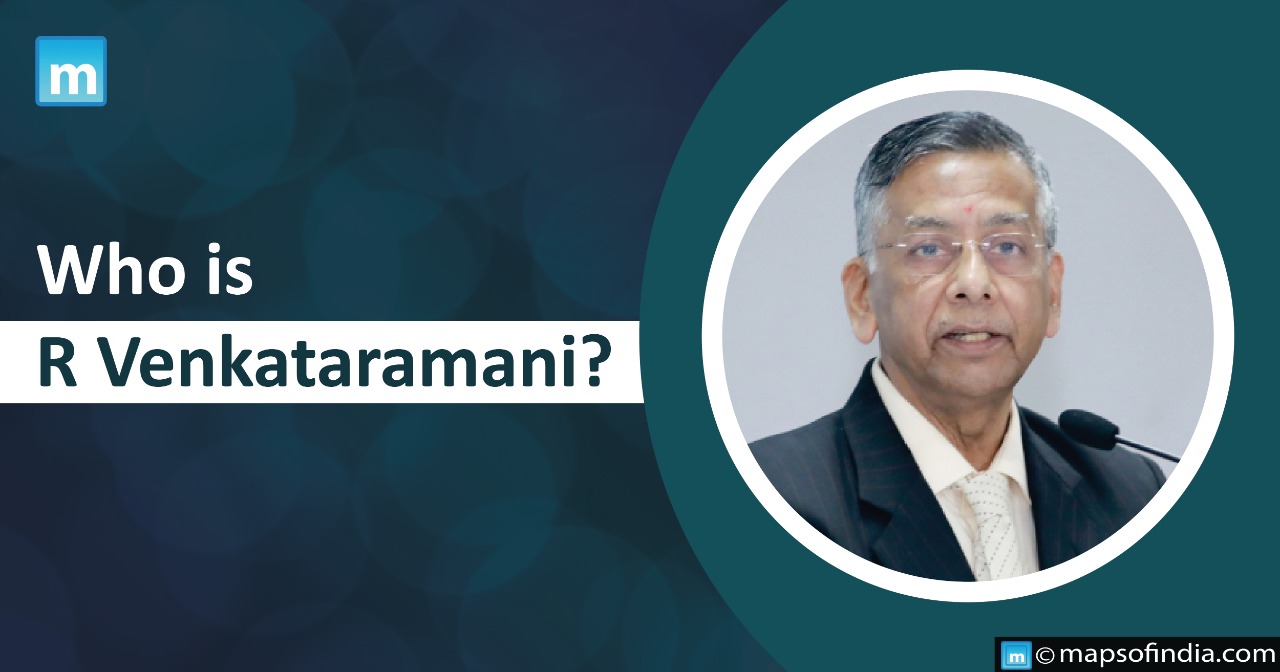
- They are described in Article 76 of the Indian constitution as the highest legal authority in India. He counsels the central government on all legal concerns as the principal legal consultant to the Indian government.
- Additionally, he is the primary legal representative for the Union Government before the Indian Supreme Court. In theory, the Attorney General is not meant to be a political person, and he is independent like a State's Advocate General; however, this is not always the case.
- He ought to be a citizen of India.
- He must have acted as a justice in the Indian High Court for at least five years or as an advocate for ten years.
- He could also be a distinguished jurist in the President's eyes.
- He provides legal advice to the Union administration on any legal issues that the President refers to him.
- Attorney General must also provide advice on the legal concerns that the President is constantly referred to as they serve his interests.
- In addition to the obligations outlined by the President, he also carries out those listed in the constitution.
- The President has given him the following three responsibilities:
- The Attorney General is required to represent the Indian government in any legal matter before the Supreme Court.